
Why Dancing Is Mentally and Emotionally Healthy
Dancing does more than strengthen the body. It creates mental space, eases emotional tension, and helps people reconnect with themselves through movement and music.
Why Dancing Is Mentally and Emotionally Healthy
When people talk about dancing, the conversation usually circles around fitness. Cardio. Flexibility. Toning. All valid, all true. But something far more interesting happens when music meets movement. Something quieter, deeper, and often unexpected.
At our dance studio, we see it every day. Students walk in carrying stress from work, tension from relationships, or self-doubt they have not quite named yet. They leave lighter. Not because life suddenly became easy, but because dancing creates space. Mental space. Emotional space. Breathing room.
So if you have ever wondered why dancing feels so good long after the music stops, here are seven reasons that go far beyond physical benefits.
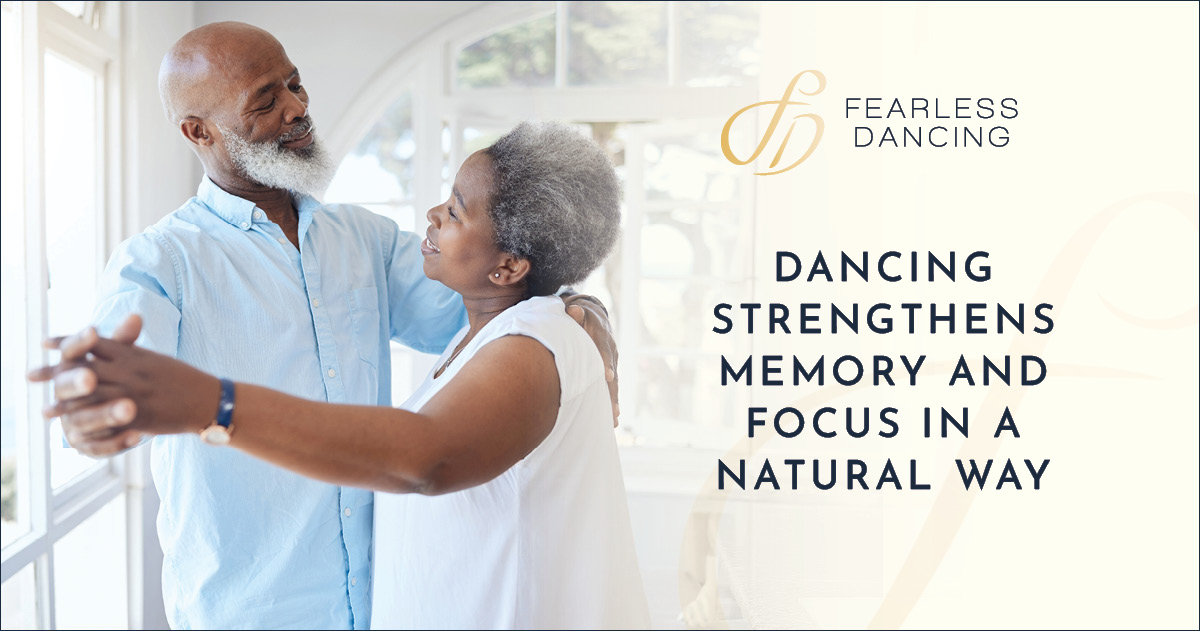
Dancing Strengthens Memory and Focus in a Natural Way
Learning to dance asks a lot from your brain, but never in a rigid or exhausting way. You listen. You move. You remember patterns. You adjust timing. You respond to a partner. All of this happens in real time.
That combination creates a full mental workout without feeling like one.
Instead of sitting and forcing concentration, your focus becomes active. You are present because you have to be. There is no space for replaying emails or worrying about tomorrow’s to-do list when your body is trying to remember the next step.
Over time, dancers often notice improved memory, quicker recall, and better concentration outside the studio too. That is not a coincidence. It is the brain learning to stay engaged through movement.
Dance Trains Mental Flexibility, Not Perfection
Mistakes happen in dance. Often. Feet get tangled. Timing goes off. Someone forgets what comes next. And yet, the music keeps going.
Dance teaches you how to adapt instead of freeze.
That ability to adjust on the spot builds mental flexibility. You learn that mistakes are not failures. They are part of motion. This mindset quietly carries over into daily life, where problems feel less overwhelming because you have practiced staying calm under pressure.
Confidence grows here too, not from getting everything right, but from knowing you can recover.

Dancing Supports Long-Term Brain Health
Few activities challenge the brain the way dancing does. You are coordinating left and right, remembering sequences, responding to rhythm, and navigating space, often with another person involved.
This layered stimulation keeps the brain active and engaged.
Studies consistently show that dancing supports cognitive health as we age. Skills like sequencing, balance, coordination, and spatial awareness are constantly refreshed. For older adults especially, regular dancing has been linked to reduced cognitive decline and a lower risk of dementia.
But even for younger dancers, you are investing in long-term mental fitness without sitting behind a desk or screen.
Stress and Anxiety Soften When the Body Moves
Stress lives in the body as much as the mind. Tight shoulders. Shallow breathing. Restless thoughts. Dancing interrupts that pattern.
Movement paired with music helps regulate the nervous system. Breathing deepens. Muscles release tension. The mind follows.
Many students tell us dance is the only time during the week when their thoughts slow down. Not because problems disappear, but because attention shifts from worry to rhythm.
That shift matters. It gives your nervous system a break.
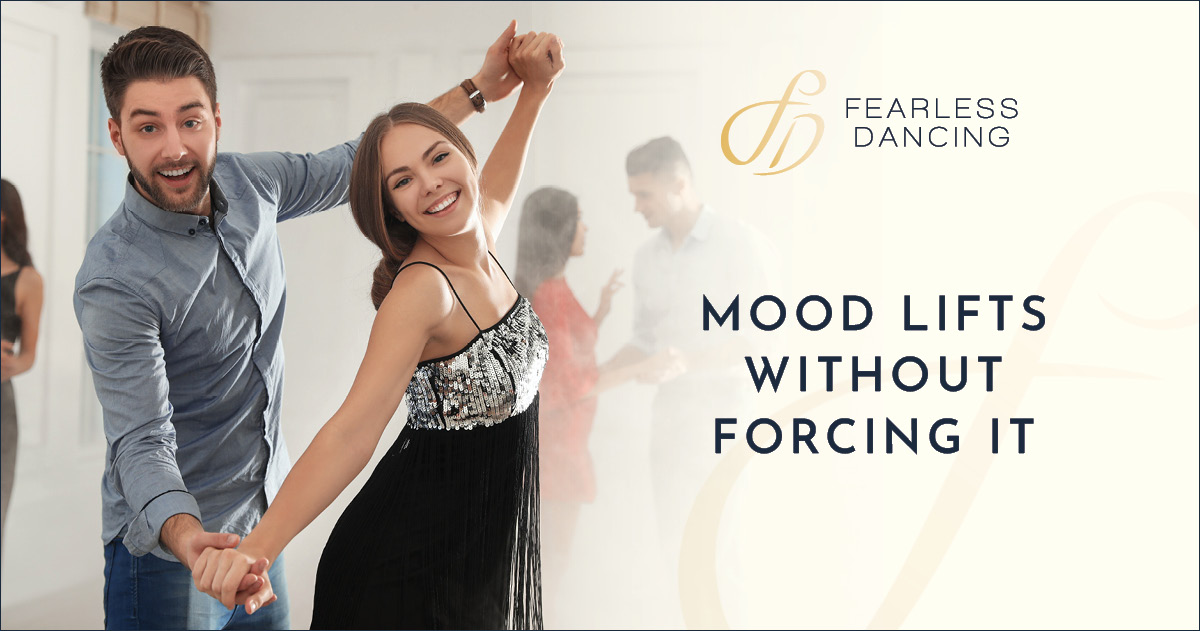
Mood Lifts Without Forcing It
Dancing changes your chemistry. Literally.
Movement stimulates the release of endorphins and dopamine, the brain’s natural mood lifters. You feel more energised, more positive, sometimes without knowing exactly why.
Even a short session can change the tone of your day. And unlike quick fixes that fade fast, the emotional boost from dancing tends to linger.
Dance Creates a Safe Space for Emotional Expression
Not everyone finds it easy to talk about feelings. Dancing offers another language.
Through movement, emotions surface without needing explanation. Joy, frustration, vulnerability, confidence. They all show up in different ways.
For many dancers, this becomes a powerful emotional outlet. A place where feelings are allowed to move instead of staying stuck. That release supports emotional balance and mental well-being more than most people expect.
Connection Heals More Than We Realise
Humans are wired for connection. Dance classes create it naturally. Sharing a space, learning together, laughing through mistakes. These moments build community without pressure. You do not need to be outgoing or experienced. You just need to show up. That sense of belonging reduces loneliness and builds social confidence over time. And yes, that connection is just as important for emotional health as any physical benefit.
Dancing supports the mind in ways that are subtle but powerful. It sharpens focus, eases stress, lifts mood, and builds connection. It helps you feel more present in your body and more grounded in yourself.
If you are looking for something that supports both mental and emotional health without feeling clinical or forced, dancing might be exactly what you need.
And it all starts with one step.
Contact us to learn more about our couple classes in Pretoria or book your first session today. We’ll help you build trust, relax into the music, and enjoy every step. Message us, call us, or send a quick WhatsApp and we’ll get you started.